
Hello. I’ve been reading more again and I’ve found myself wanting to find a way to capture what I’ve been reading, beyond the Google doc I keep on my phone with the title, publication year, and author (plus a code system for rereads, audiobooks, etc.). Since changing jobs, I’ve found myself with a bit more mental space as well and hit on the idea of writing a bit about my books as I finish them. The goal is not to write proper book reviews or full on literary analysis, as I’m solidly on practice on both, but instead to write again, stretch my critical lens a little, and capture my impressions of the things I read.
So…
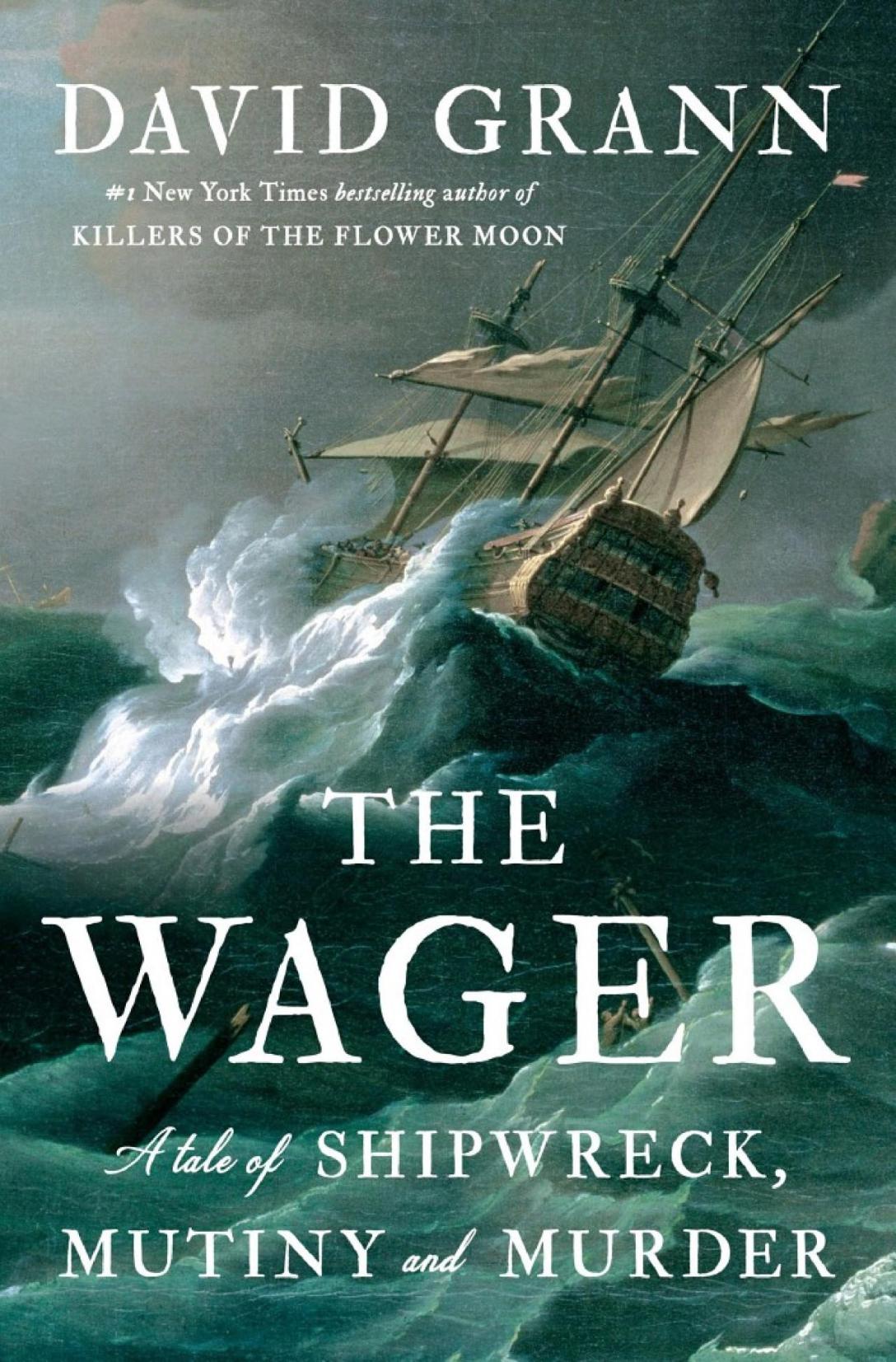
Last night, I finished my 28th book of 2023, The Wager: A Tale of Shipwreck, Mutiny and Murder by David Grann (2023) which I picked up on a whim in order to get free shipping on a cookbook I ordered. I have many fond memories of naval history from a college elective called World War II At Sea and thought I would probably enjoy it. In the briefest of plot summaries, it’s a narrative history of the mutiny that never was after the crew of The Wager was shipwrecked attempting to navigate around Cape Horn in 1741.
The narrative follows the ship and her crew from the start of the adventure (including a few false starts and other difficulties before setting sail), their torturous voyage, even more torturous shipwreck and marooning on a desolate island, their escapes from said island, to their eventual return to England to face the consequences of their decisions.
The New York Times review excerpt on the jacket reads, “The powerful narrative reveals the deeper meaning of the events on The Wager, showing that it was not only the captain and crew who ended up on trial, but the very idea of empire,” a declaration which I at first assumed to be a little dramatic for the sake of selling books. However, after reading the whole thing, I’ve decided that snippet accurately reflects what’s so intriguing about the book.
The Wager is definitely a piece of narrative history… Grann artfully peppers in historical facts, context, and first-person sources, while maintaining a compelling narrative through pacing and a cast of characters I found myself very invested in. I was delighted by the rotational cast of perspectives, and the nuance of each character as they found themselves in truly horrible situations. This was second only to my delight with all the naval “fun facts” I effortlessly absorbed while reading – like the concept of dead reckoning and the problem of longitude!
Throughout this lovely (though really horrifying) narrative, Grann is introducing a nuanced criticism of the concept of empire – it’s impacts on places and people, both those it obviously oppresses and those allegedly in its service. I won’t spoil the ending – because that’s no fun and I don’t have to – but the outcome of the court martial really rewards all the wonderings about “empire”.
If you read my musings, thanks, and I hope you’ll check out the book.
In the rating system I’ve just invented… Three stars.
The rating system:
1 star = don’t read
2 stars = read it if you want, I don’t care either way
3 stars = read it
4 stars = please please read / I’ve bought this book for people / it’ll change your life

 Lindsey Grundyson